Superheroes to scientists: Rwanda's youth of the future
Text and photographs by Evan Frilingos
I turned 21 on the first day in Kigali, before I had had time to acquaint myself with the city’s spotless streets, Champions League watch parties and the constant thrum of motorbikes. But the next day, when I met a couple of guys my age and the always-colorful Messi-versus-Ronaldo debate came up (I am on Messi's side), it became clear to me that I would not have much trouble connecting with young people in Rwanda. We had, as I discovered, much in common.
A week later, I met children around the age of my two youngest siblings. We started to talk about superheroes, as I do with my little sister and brother. Often, common ground appears out of thin air and hangs there long enough to make a moment feel familiar and comfortable.
At African Leadership University, I met students who were working on solutions to big issues like tribalism in their home countries. I had never been surrounded by such a purposeful group of people before. Other students I met from the University of Rwanda were aspiring to become Rwanda’s newest surgeons and to build generational wealth.
I saw that the youth in Rwanda, be they children imagining superpowers or students starting companies, formed a generation focused on progress — for their families, their country and beyond. I realized that Rwanda’s future is its youth. I returned home motivated to be more like them.
Consent and permission were given for all photographs. Last names and ages are not always in included to respect the privacy of the individuals in this story.
Click on each photo to read the captions and get the full story.
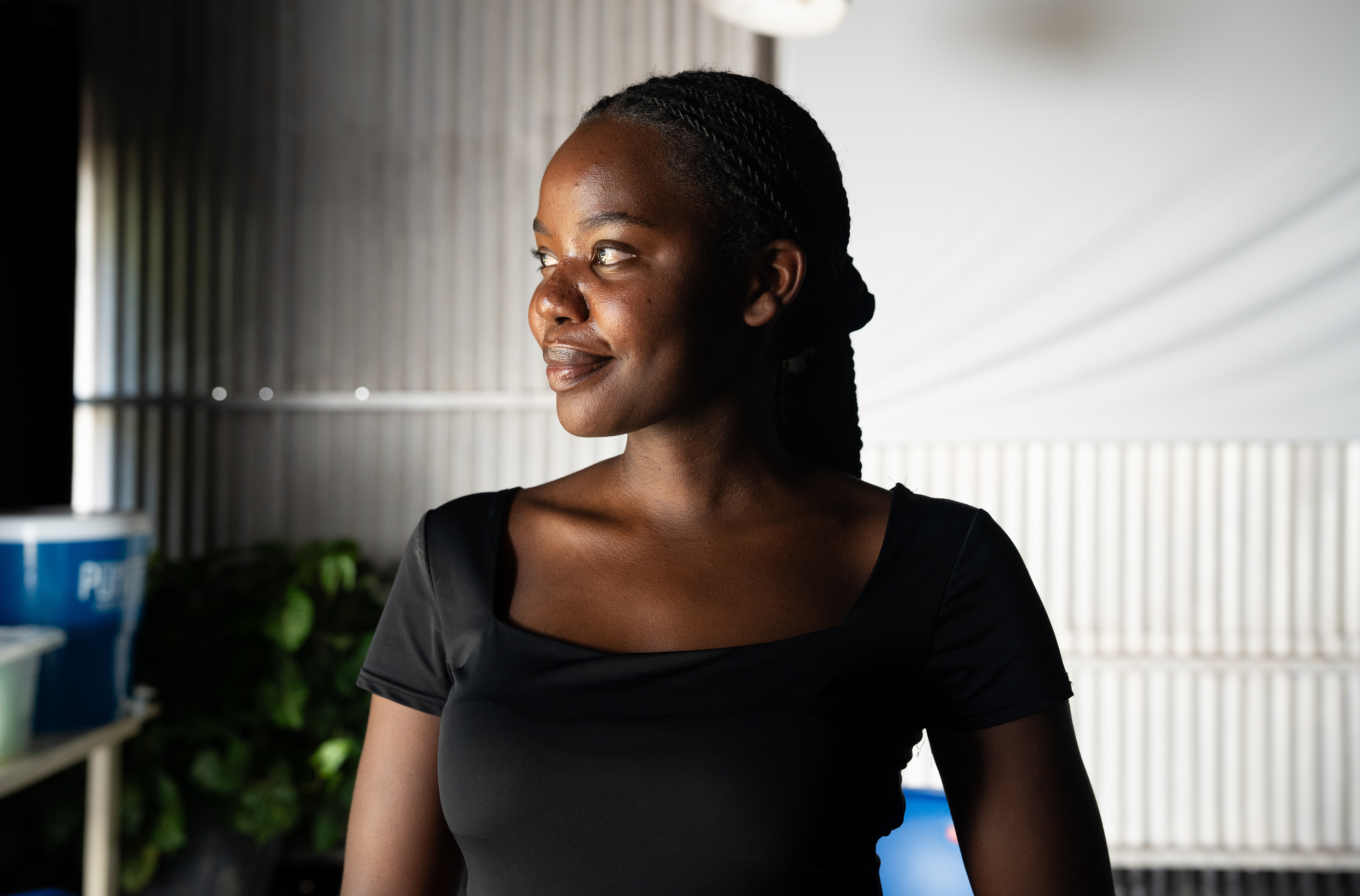
Magnifique Munezero is a clinical psychologist at MHub, a mental health counseling organization that focuses on providing businesses with services for their employees. “I care about people’s wellbeing and meaningful impact,” she said. “I am passionate about mental health, conversations that change lives and create healthier environments where people can thrive.” Over 50% of Rwandans had PTSD after the 1994 Genocide against the Tutsi, and generational trauma remains prevalent today. The government has partnered with higher education institutions and mental health organizations to expand access to mental health services. Community initiatives have made space for people affected in any way to come together for group therapy, which has helped strengthen unity. An emphasis is educating the next generation of mental health professionals, evidenced by the creation of degree pathways and departments in higher education. (Photo/Evan Frilingos 2026)
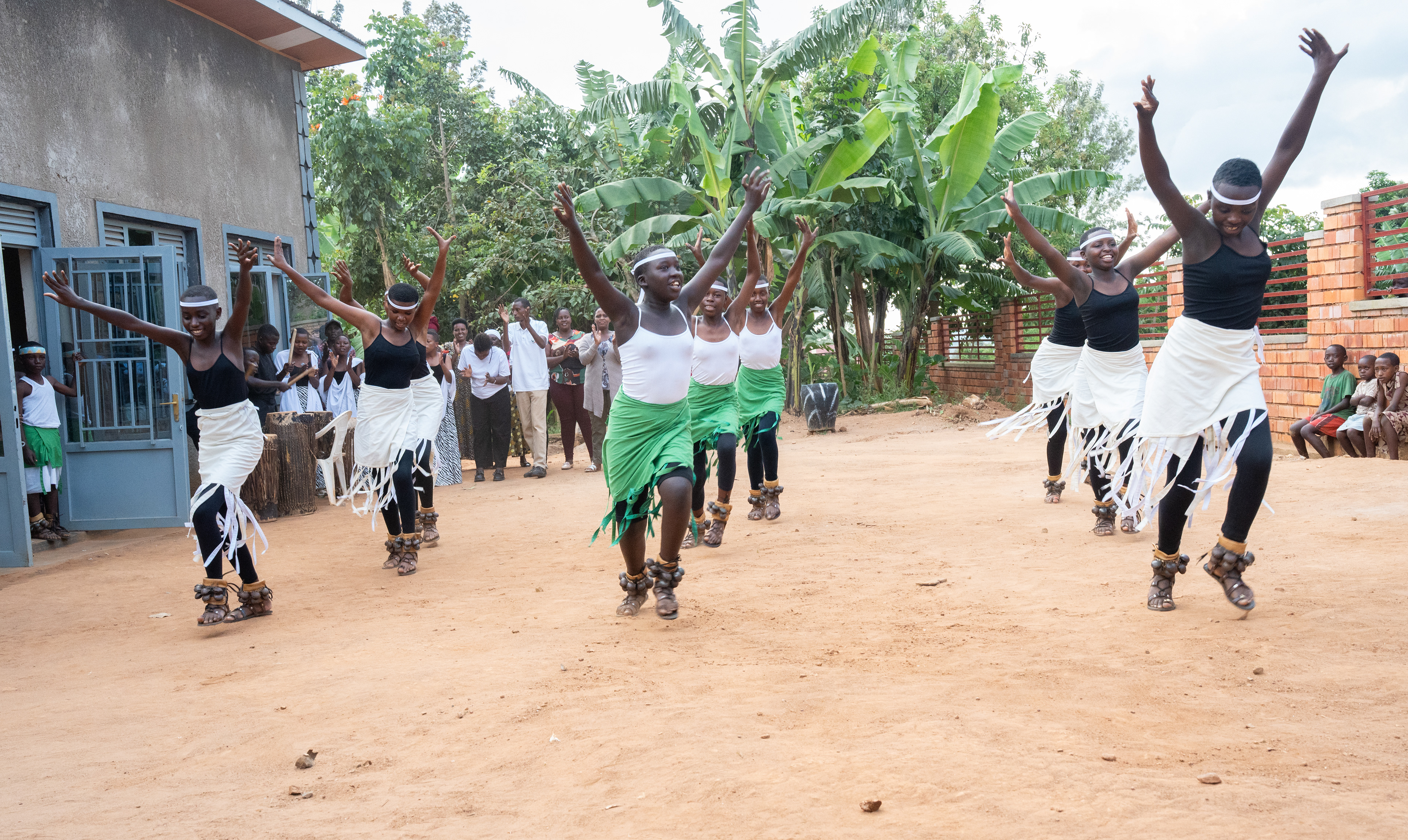
Children from the Unity Mountain, Umusozi w'Ubumwe, community dance across a dirt field while drums, claps and cheers pour out from a group behind them. The village includes survivors and perpetrators of the 1994 Genocide against the Tutsi who share faith as common ground for reconciliation, forgiveness and unity. Children running around, peering through fences and holding near to their mothers created a lively, enveloping atmosphere. (Photo/Evan Frilingos 2026)
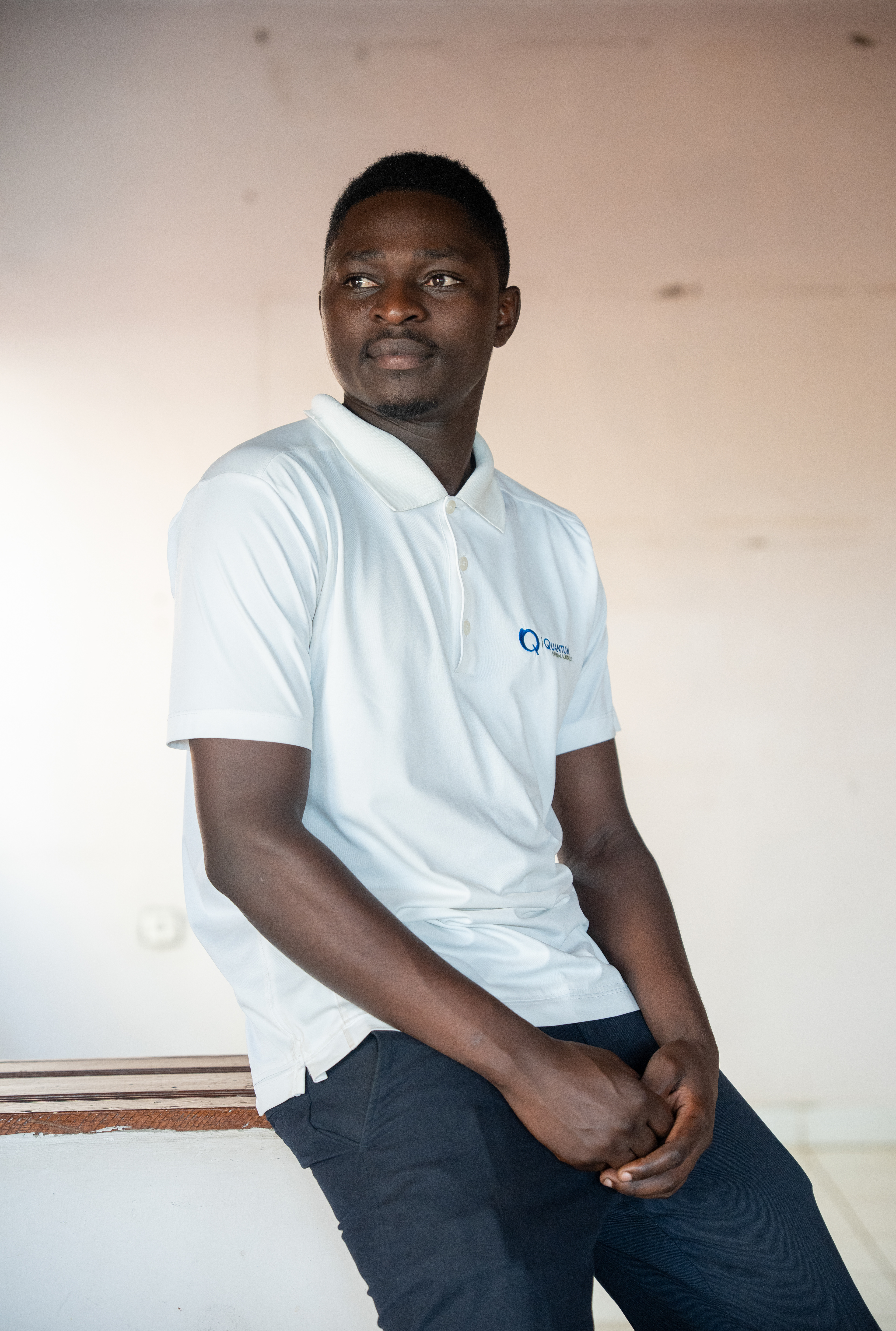
Sam Tuzabonimana is close to achieving a dream that will help improve a Rwanda-wide need: oral hygiene. Tuzabonimana dreamt to be a doctor when he was young, and his parents made an uncommon choice to dedicate their lives to helping him make his dream come true. His parents encouraged him to pursue a career as a dental surgeon. He said he hoped his contributions will help move Rwanda a step forward toward improved oral healthcare. The first person to graduate from a dental surgery program in Rwanda was in 2018. Back then, Rwanda had only 40 registered dentists to serve the nation’s 12 million people, according to the Harvard School of Dental Medicine. The 2021 National Oral Health Survey of Rwanda found over 60% of Rwandans didn’t use a toothbrush, 70% didn’t use toothpaste and 55% cleaned their teeth less than once a day. Tuzabonimana said his relationship with his parents and the freedom they gave him will create a positive generational effect. “So I think I will do this for my kids. I can give them options if they want, but they have to choose what to do for themselves. And when they do, I’ll support them. “We all have dreams. Human beings are like that. You never stop dreaming.” (Photo/Evan Frilingos 2026)
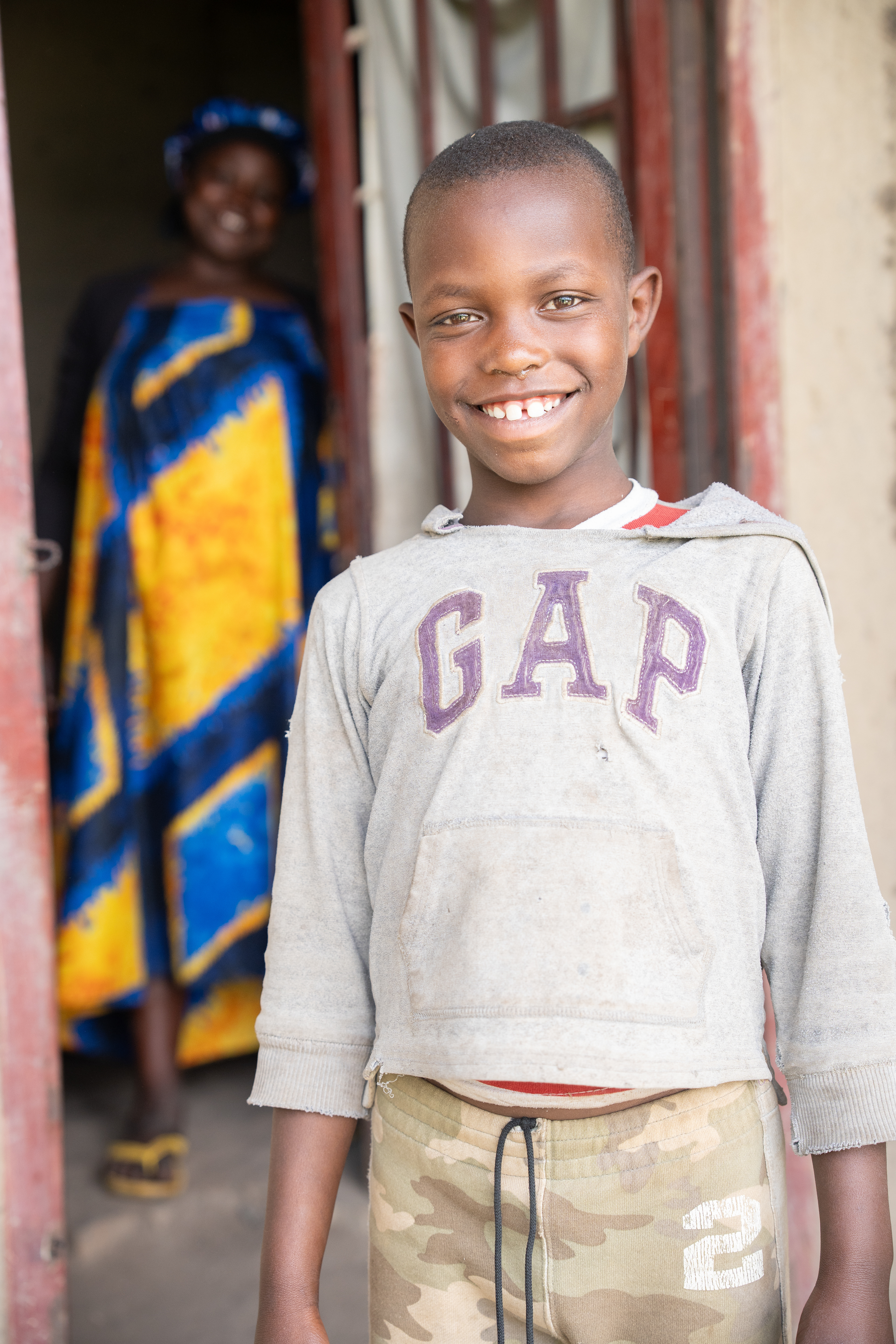
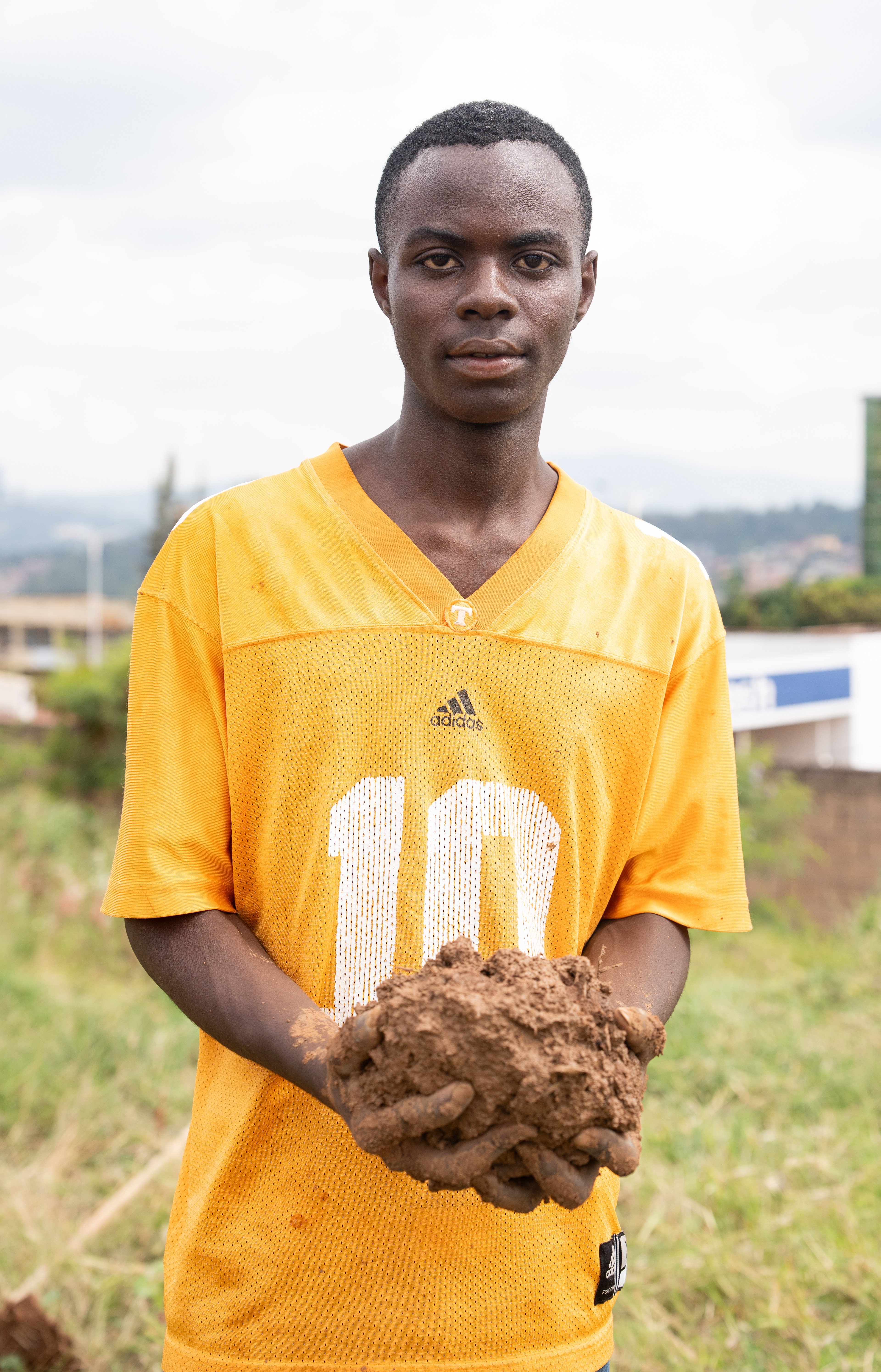
Remi asked for a photo when his mom, Alice, appeared in the doorway behind him at their under-construction home in rural Kamara village in the Muhanga district. Alice said being around her children is her favorite thing about them, but that she hopes they will go and “finish school and live a good life,” which includes having money to pay for clothes, food and rent, she said. Education is key to improving generational wealth in Rwanda, where equal access to high-quality education is a core target of the government’s Vision 2050. (Photo/Evan Frilingos 2026)
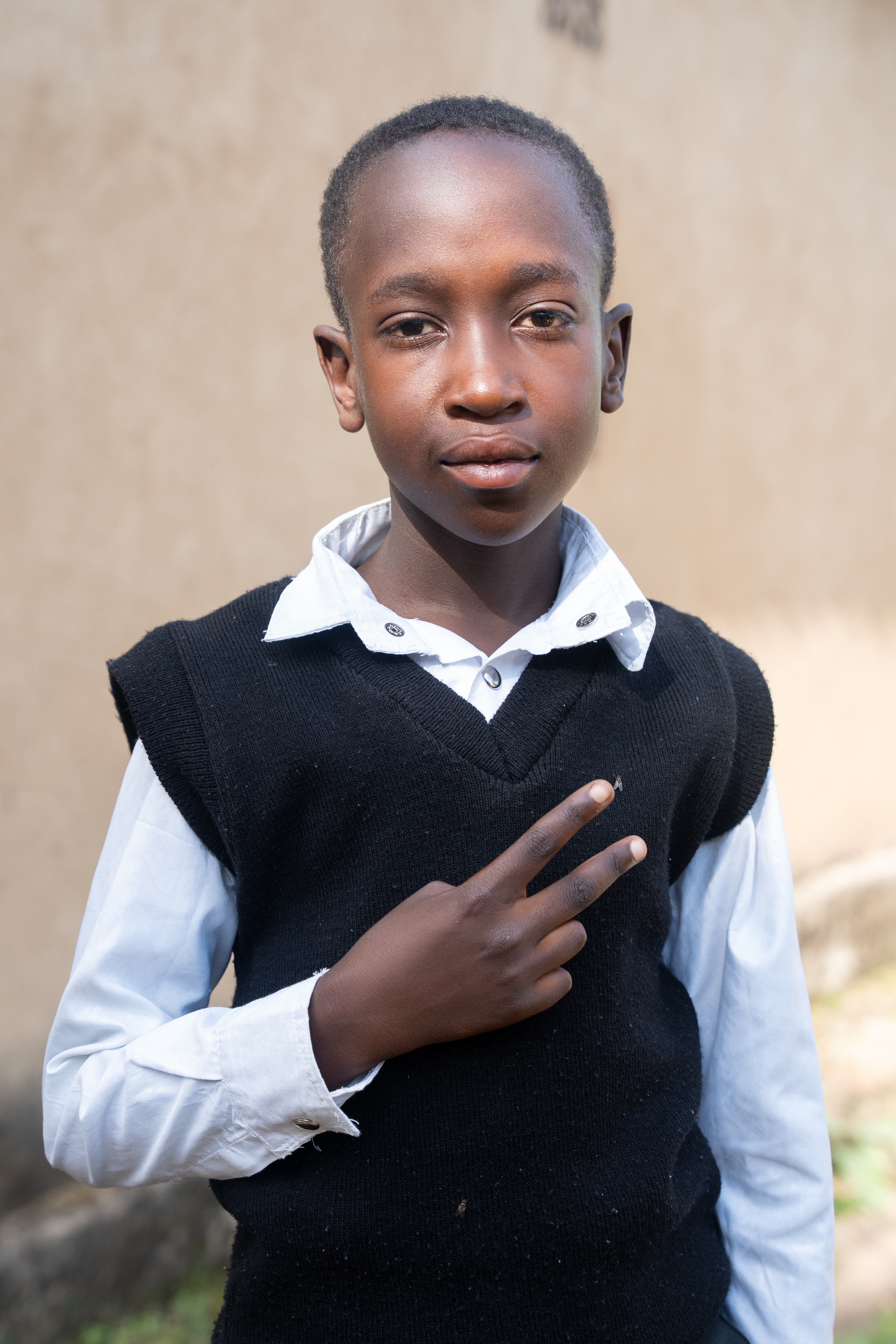
Alan, 12, chose the ability to be powerful like Superman as his dream superpower. (Photo/Evan Frilingos 2026)
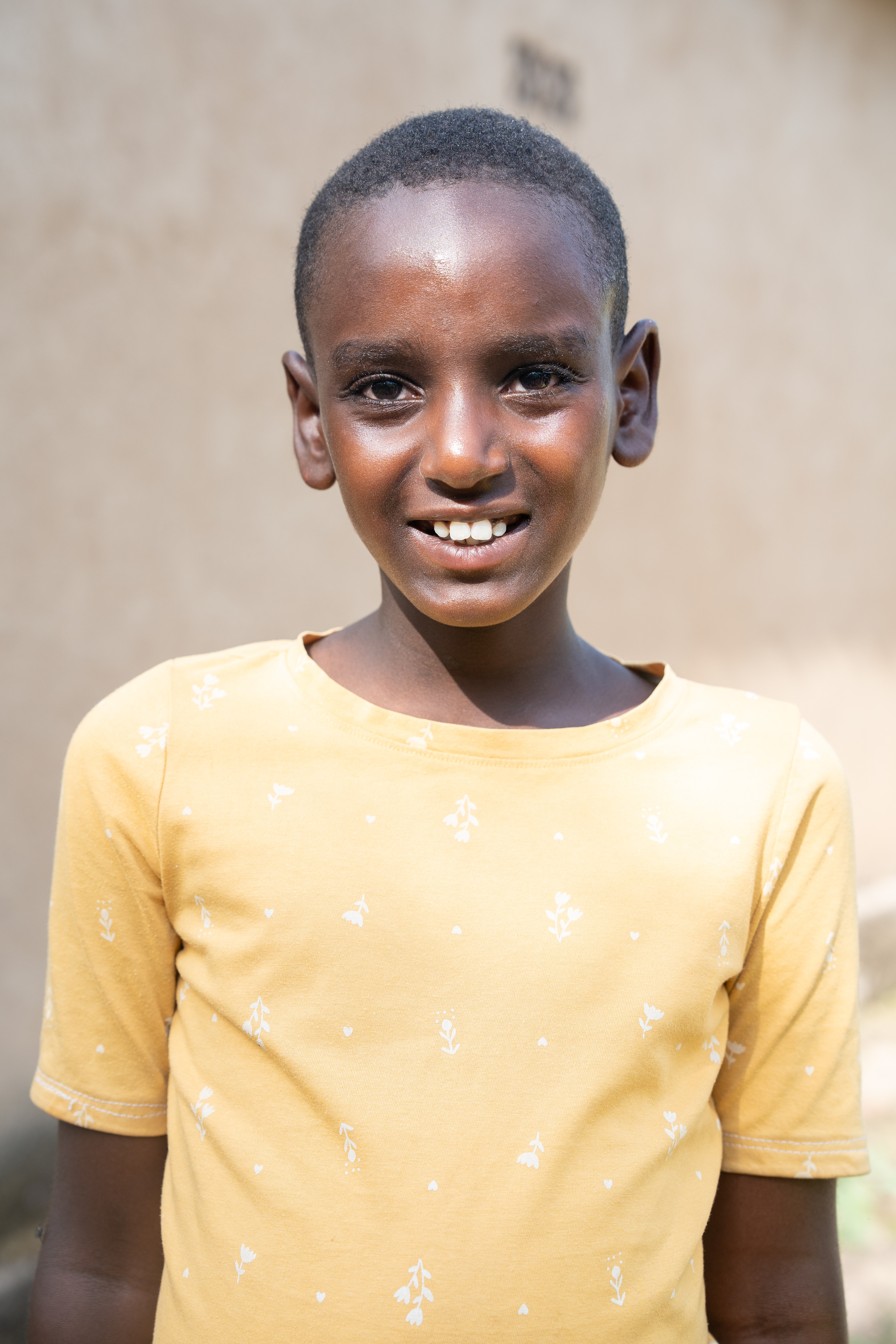
Rinda, 9, chose the ability to be Spiderman as her dream superpower. (Photo/Evan Frilingos 2026)
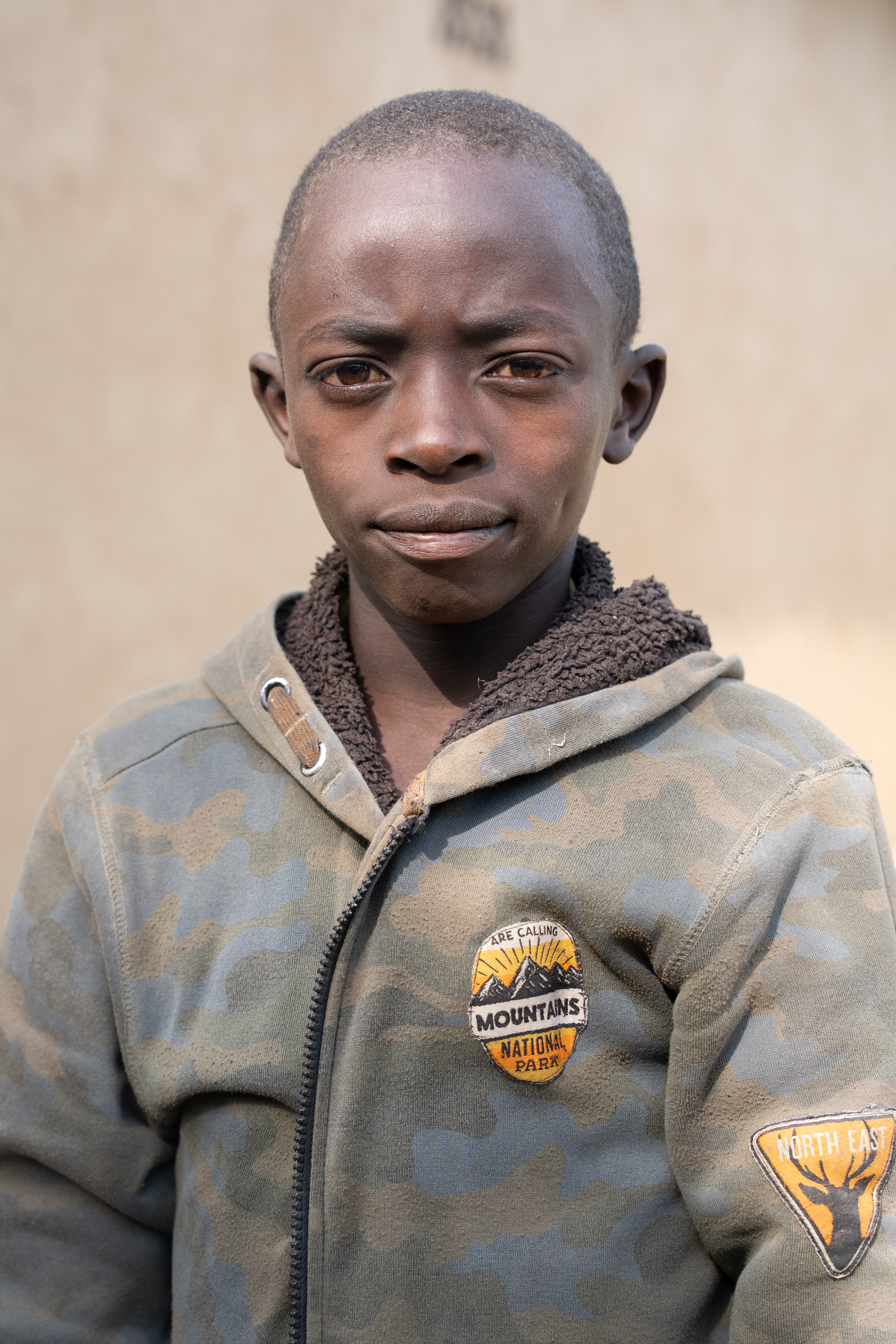
Franck, 12, chose the ability to fly as his dream superpower. (Photo/Evan Frilingos 2026)
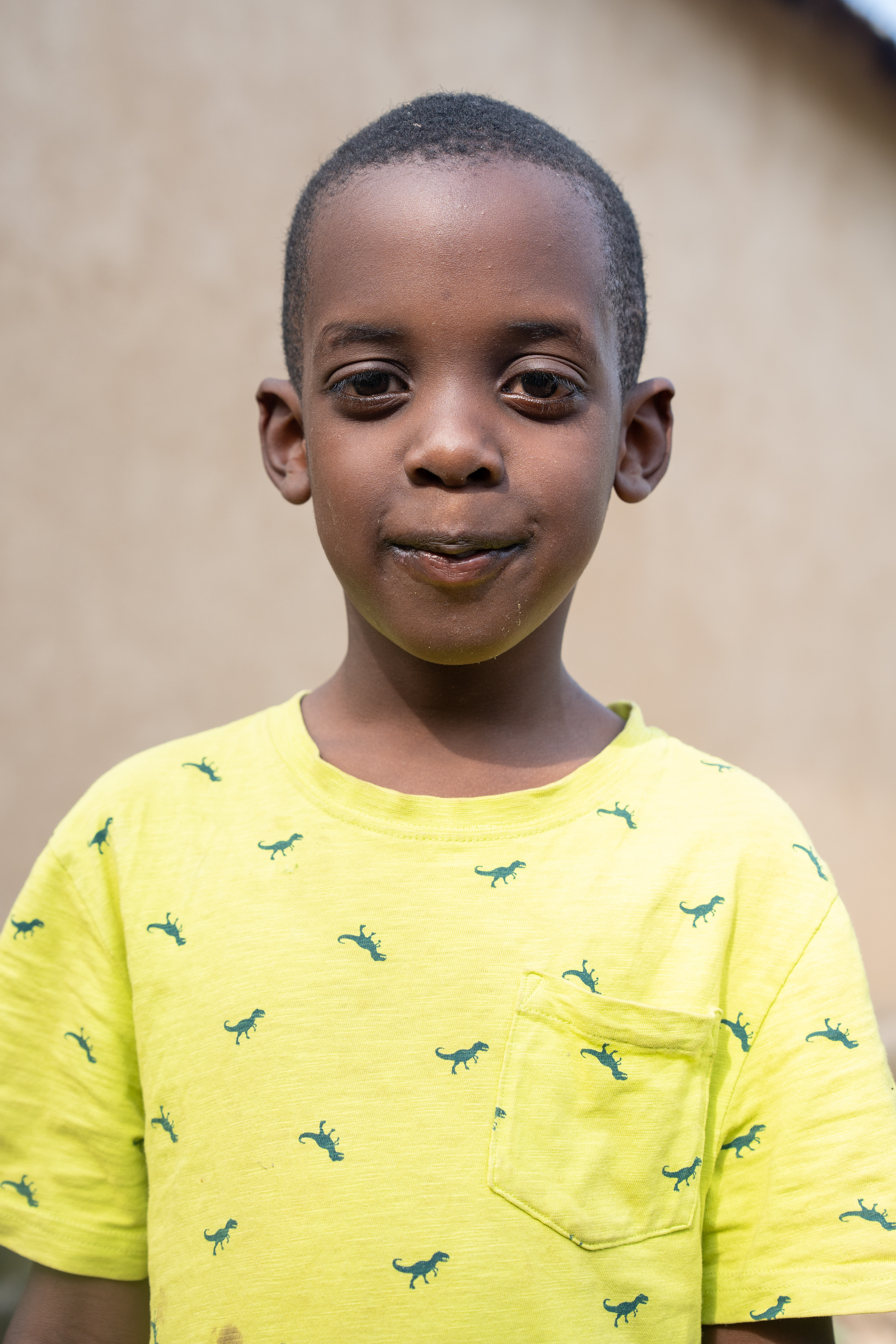
Benson, 8, chose the ability to be strong like Batman as his dream superpower. (Photo/Evan Frilingos 2026)
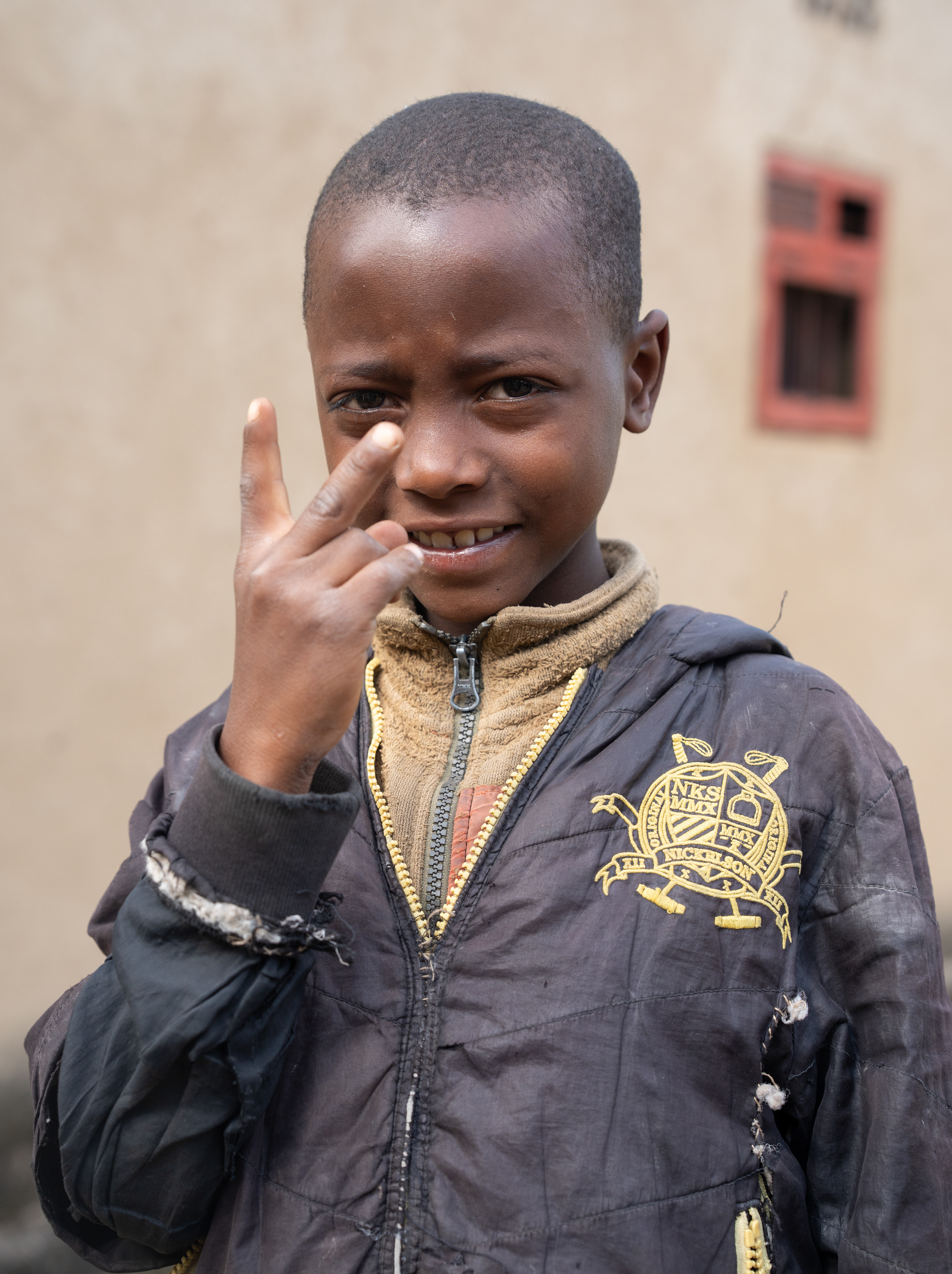
Kevin, 9, chose the ability to run fast as his dream superpower. (Photo/Evan Frilingos 2026)
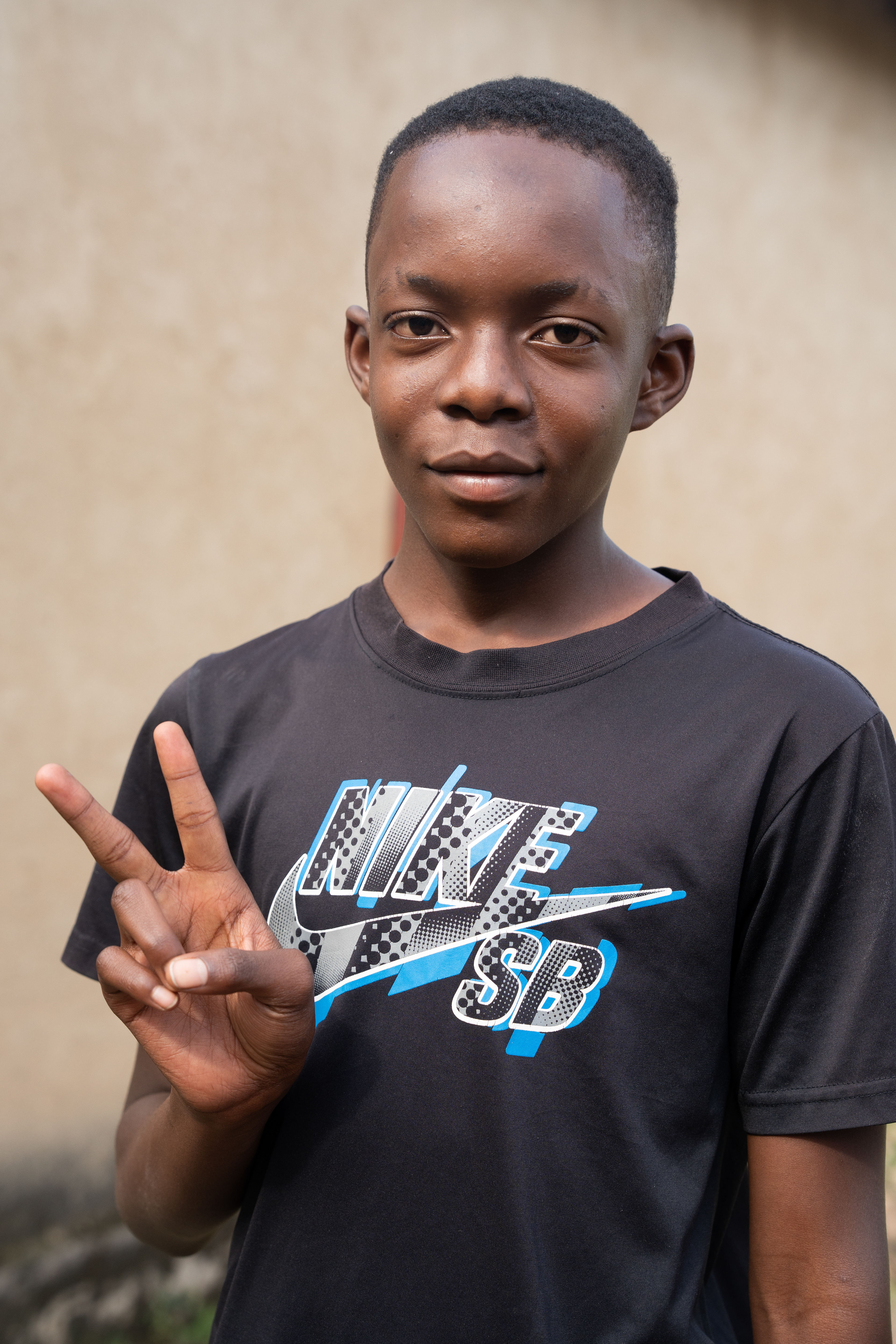
Maxwell, 14, chose the ability to time travel as his dream superpower. (Photo/Evan Frilingos 2026)
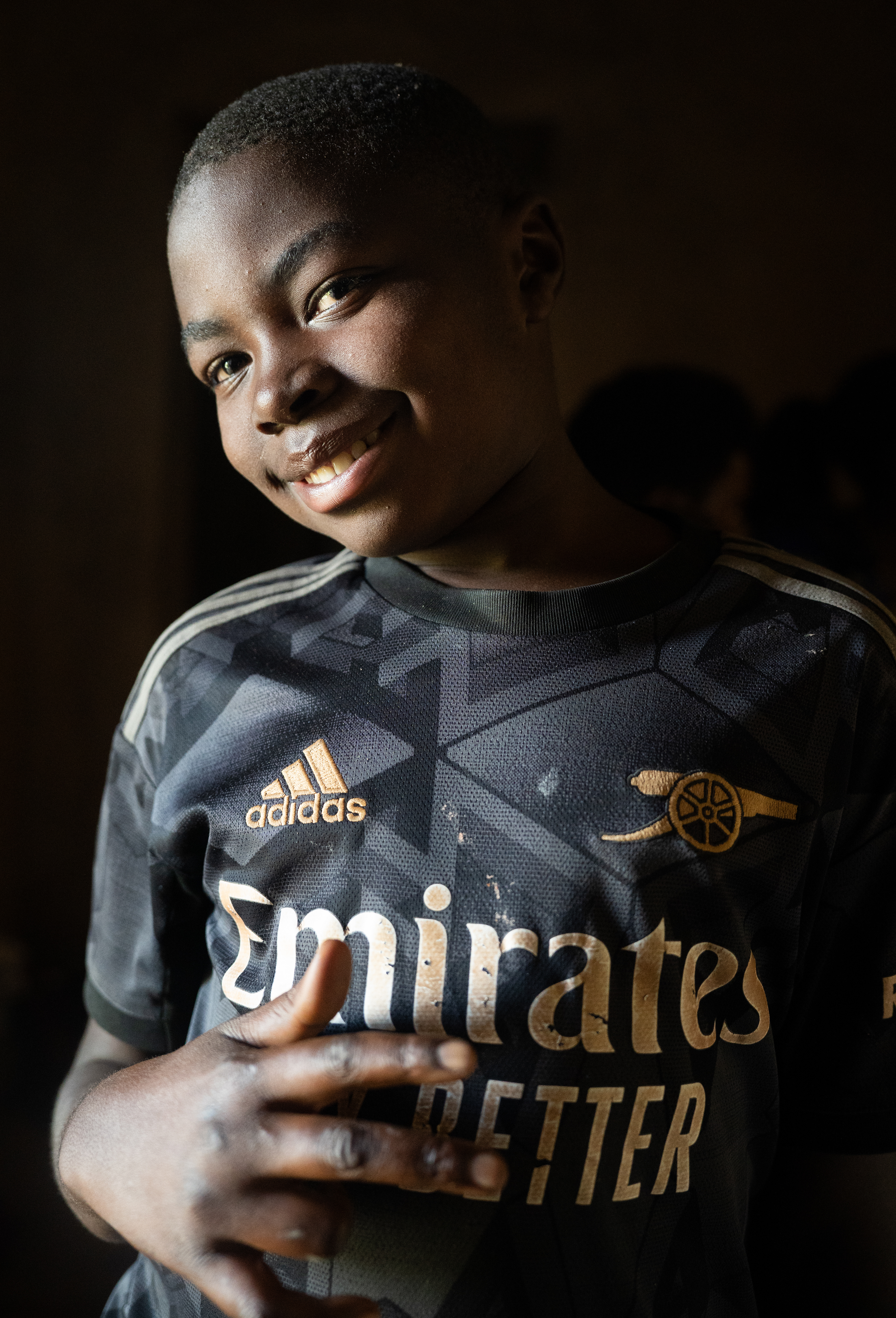
Irene wears an Arsenal jersey that features the globally-known Visit Rwanda logo on the sleeve. Football is hugely popular for Rwandan youth, and Visit Rwanda’s sponsorship deals have inspired many to cheer for teams including Arsenal and Paris Saint-Germain. One of Rwanda’s most promising young players, 18-year-old Barthazar Ndayshiminaye, plays for European giants FC Bayern Munich in Germany. (Photo/Evan Frilingos 2026)
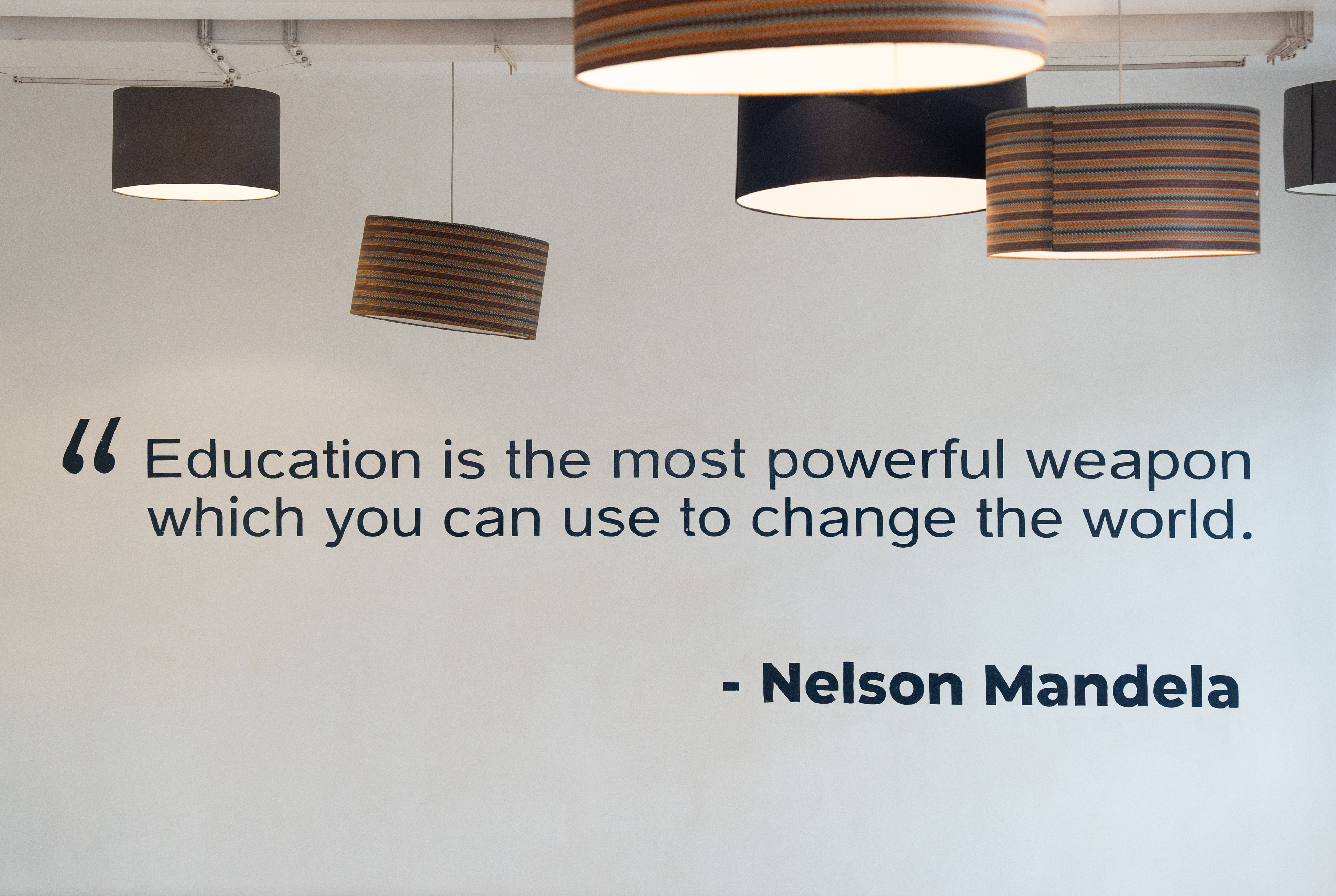
One of many quotes on the walls at the African Leadership University campus in Kigali, Rwanda. ALU is a unique, flagship African institution that educates students to create change across Africa. (Photo/Evan Frilingos 2026)
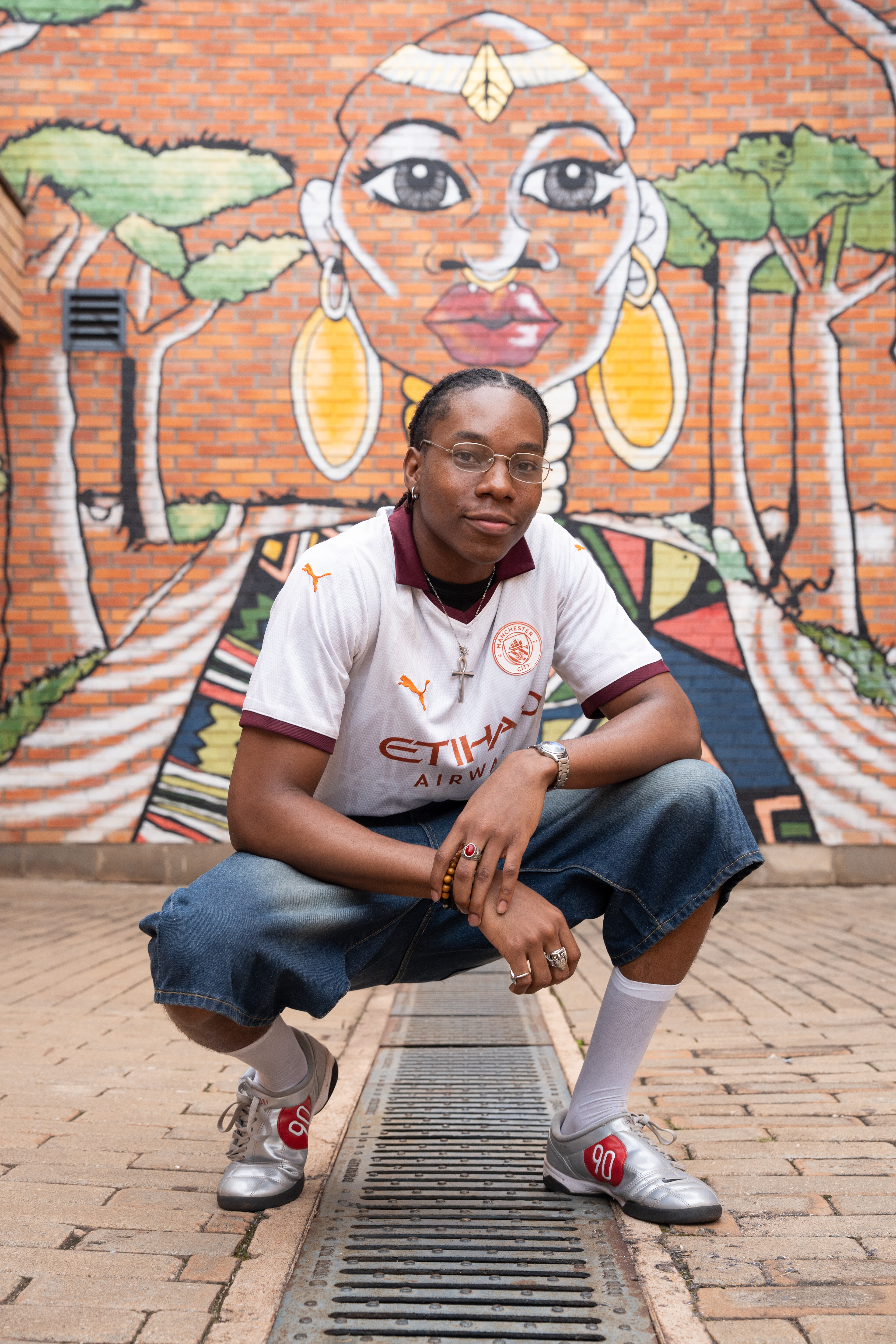
Winston Ngi, 20, is a student at the African Leadership University. ALU students pursue projects to solve problems in their home countries or other countries where they can make an impact. Ngi is studying software engineering, and is building WiyoRent to connect students with houses and fill the student-housing need in Rwanda. Ngi poses in front of a mural on ALU’s campus that is a nod to African tradition and a look toward the future of technology in Africa. (Photo/Evan Frilingos 2026)
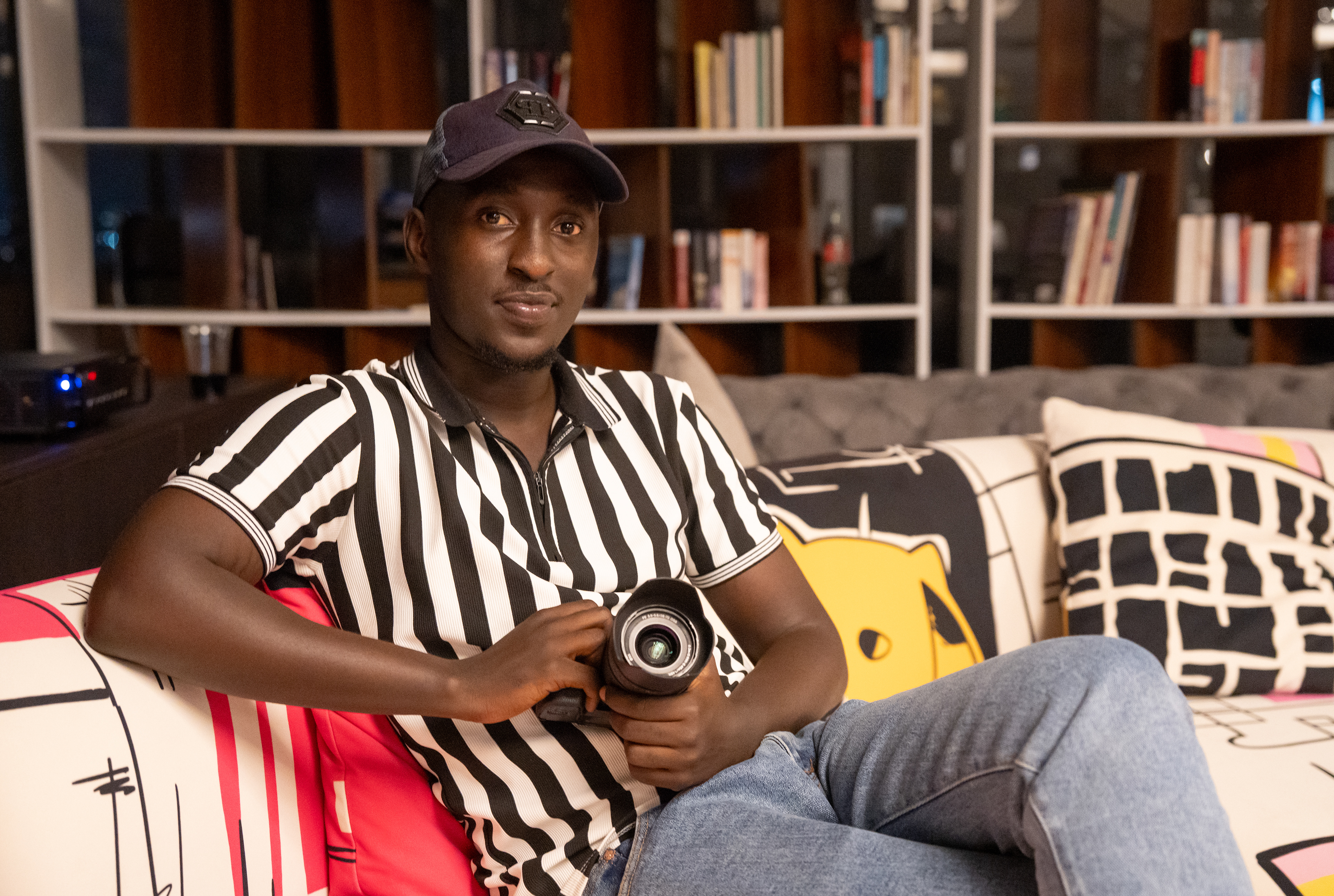
Joshua poses for a photo at The Views in Nyarutarama during a screening of renowned Rwandan filmmaker Eric Kabera’s film “Africa United.” Joshua is one of many aspiring young filmmakers, videographers and photographers who are students of Eric Kabera and his Kwetu Film Institute. The Kwetu Film Institute invests in and educates its students to make Rwanda a leading regional nation for digital media and produce professionals ready for the highest level of the industry, according to its website. CNBC Africa said Rwanda’s film industry accounted for 5% of the country’s GDP in 2022, and UNESCO said in 2025 that the young creative arts generation is reclaiming Rwanda’s future. (Photo/Evan Frilingos 2026)